
Alignment Problems Usually Start Gradually

Wheel alignment problems often begin with uneven tyre wear, steering drift, vibration, or the vehicle pulling slightly while driving. Digital camera wheel alignment measures these issues accurately rather than relying on visual checks alone. Kong Group carries out alignment work alongside tyre, steering, and suspension inspections within one large workshop.

Better Handling And Tyre Life

Wheel alignment helps the vehicle feel steadier, smoother, and easier to control by correcting wheel angles affecting handling and tyre wear. Many drivers notice straighter motorway driving, less steering correction, and reduced strain on suspension components once alignment problems have been identified and corrected accurately.

Measuring Alignment Accurately

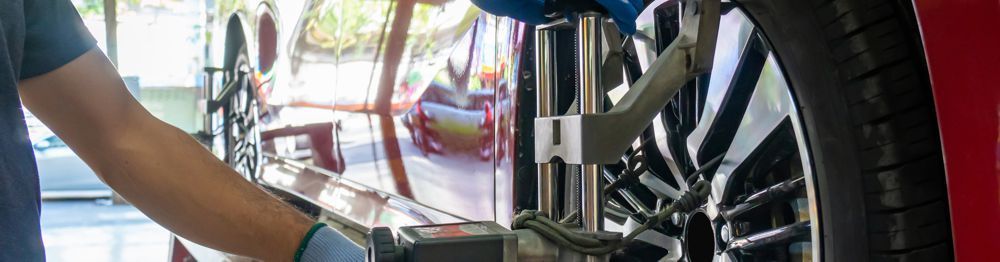
Digital camera wheel alignment uses live measuring equipment to check wheel positioning accurately instead of relying on visual estimation alone. Problems linked to steering feel, tyre wear, suspension condition, or pulling while driving can then be identified and corrected before they lead to unnecessary tyre replacement or further mechanical issues.

Signs Alignment Problems Are Developing

This work suits drivers noticing uneven tyre wear, steering vibration, drifting, or pulling during normal driving. It is also useful after pothole impacts, kerb strikes, suspension repairs, or tyre replacement. Cars, vans, minibuses, and larger vehicles can all gradually develop alignment issues through regular everyday driving conditions.

What Proper Alignment Normally Feels Like

A well-aligned vehicle normally drives straighter, feels more settled, and needs less steering correction at higher speeds. Tyres should wear more evenly across the tread, helping them last longer. Clear explanation of the readings and adjustments also helps explain what has been corrected and why afterwards.

Checked Before Adjustments Begin

The vehicle is checked before adjustments begin so suspension or steering problems affecting alignment can be identified early. Digital camera alignment equipment is then used to measure and adjust wheel positions systematically. Findings are explained clearly, with additional mechanical repairs available on site where required following inspection results.

  • How do I know if wheel alignment is needed?

    Wheel alignment problems often become noticeable through everyday driving. The steering may feel off-centre, the vehicle may pull slightly to one side, or handling can feel uneven at higher speeds. Uneven tyre wear is also common. Some drivers notice vibration or the need for constant steering correction, particularly during motorway driving. These symptoms are usually inspected alongside suspension and tyre condition before adjustments are carried out.

  • What problems can poor wheel alignment cause?

    Poor wheel alignment can affect tyre wear, steering feel, fuel use, and overall vehicle stability. Tyres may wear unevenly or more quickly than expected, particularly around the inner or outer edges. Handling can also feel unpredictable, especially during braking or motorway driving. Alignment faults sometimes develop alongside suspension wear or impact damage, so the inspection process focuses on identifying the underlying issue rather than adjusting settings in isolation.

  • Can suspension faults affect wheel alignment?

    Suspension components can directly affect wheel alignment and handling behaviour. Worn or damaged parts may prevent accurate adjustment or cause the alignment problem to return. During inspection, suspension-related issues linked to steering pull, uneven handling, or tyre wear are checked alongside the alignment readings. This helps identify whether the issue comes from alignment settings alone or whether additional mechanical faults are contributing to the problem.

  • What happens during a wheel alignment inspection?

    The process normally begins with a discussion about the symptoms being experienced while driving. Digital camera alignment equipment is then used to measure wheel positioning and identify any faults affecting steering or tyre wear. Suspension components connected to the issue may also be inspected during the process. Faults are often explained using recorded video evidence, helping you understand the condition of the vehicle before approving further work.

  • Can wheel alignment improve steering and handling?

    Once alignment faults have been corrected, the vehicle often feels steadier and more balanced during normal driving. Steering can feel more predictable, and the need for constant correction may reduce, particularly at motorway speeds. Handling problems linked to uneven wheel positioning can also become less noticeable. The overall aim is to restore stable vehicle behaviour by identifying and correcting the actual cause of the issue.

  • Does wheel alignment help reduce tyre wear?

    Incorrect wheel alignment can cause tyres to wear unevenly across the tread, sometimes reducing tyre life significantly. Once alignment faults have been identified and corrected, tyres generally wear more evenly during normal driving. This can also reduce unnecessary strain on steering and suspension components. The inspection process focuses on identifying what is causing the uneven wear before adjustment or replacement work is discussed.

  • Can larger vehicles and motorhomes be accommodated for alignment work?

    The available workshop space allows larger vehicles, including motorhomes and larger vans, to be inspected and accommodated for alignment-related work. This is useful for vehicles that may be difficult to handle within smaller workshops. The same inspection process is used to assess steering behaviour, tyre wear, and handling concerns before discussing any corrective work or additional repairs linked to the fault.

When Alignment Is Worth Checking

Wheel alignment is often worth checking after pothole impacts, tyre replacement, steering changes, suspension work, or when the vehicle starts pulling while driving. A quick conversation about the symptoms usually helps identify whether alignment problems are contributing before unnecessary tyre wear or handling issues become increasingly noticeable afterwards.

Sharper handling, cleaner performance with alignment and DPF solutions.

"Absolutely great communication throughout, regular photo updates, very transparent and honest. Highly recommended!"

CHRIS GLEDHILL

"Absolutely brilliant service, I would definitely bring my car or van here to be looked after"

JOHN SHIELDS

"Great garage, Gary sorted my issue within hours. Professional, fantastic work, highly recommend"

ROB HALL